
A Beginner's Guide to DIY Audio Mixing
Getting Started with DIY Audio Mixing
Diving into the world of audio mixing can be a rewarding experience, especially for music enthusiasts and aspiring producers. With the right tools and guidance, you can create professional-sounding mixes from the comfort of your home. This guide will walk you through the basics and help you get started on your DIY audio mixing journey.
Essential Equipment
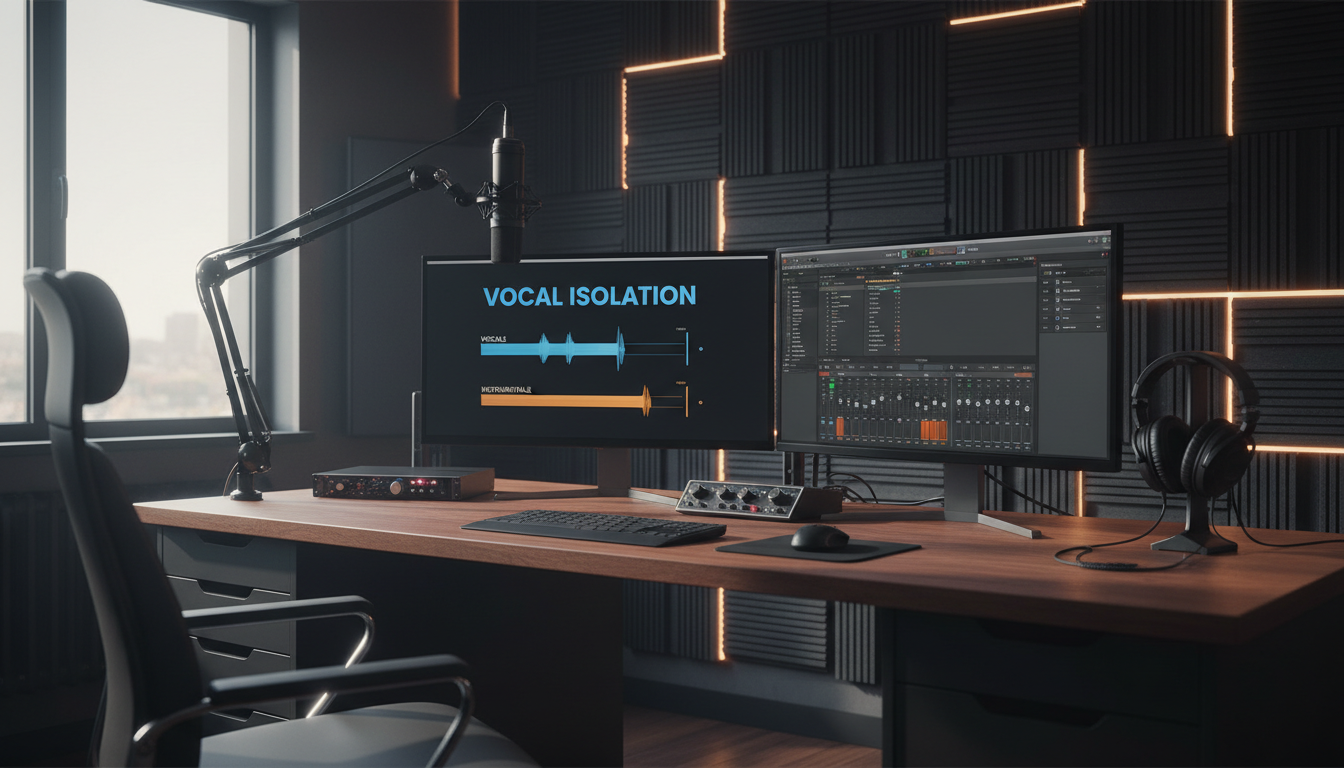
Before you begin, it's important to have the right equipment. While you don't need to invest in a professional studio, having a few key items will significantly enhance your mixing capabilities. Here's a basic list to get you started:
- Computer: A reliable computer with enough processing power to handle audio software.
- Digital Audio Workstation (DAW): Software like Ableton Live, FL Studio, or Logic Pro.
- Audio Interface: Connects your instruments and microphones to your computer.
- Studio Monitors: Speakers designed for accurate sound reproduction.
- Headphones: A good pair of studio headphones for detailed listening.
Understanding the Basics
Audio mixing involves blending individual tracks together to create a cohesive final product. It requires balancing levels, panning sounds, and applying effects. Here are some basic concepts you'll need to understand:
- Equalization (EQ): Adjusting the balance between frequency components. This helps each instrument find its space in the mix.
- Compression: Reduces the dynamic range of a track, making quiet sounds louder and loud sounds quieter.
- Reverb and Delay: Adds space and depth to your mix by simulating acoustic environments.
Step-by-Step Mixing Process
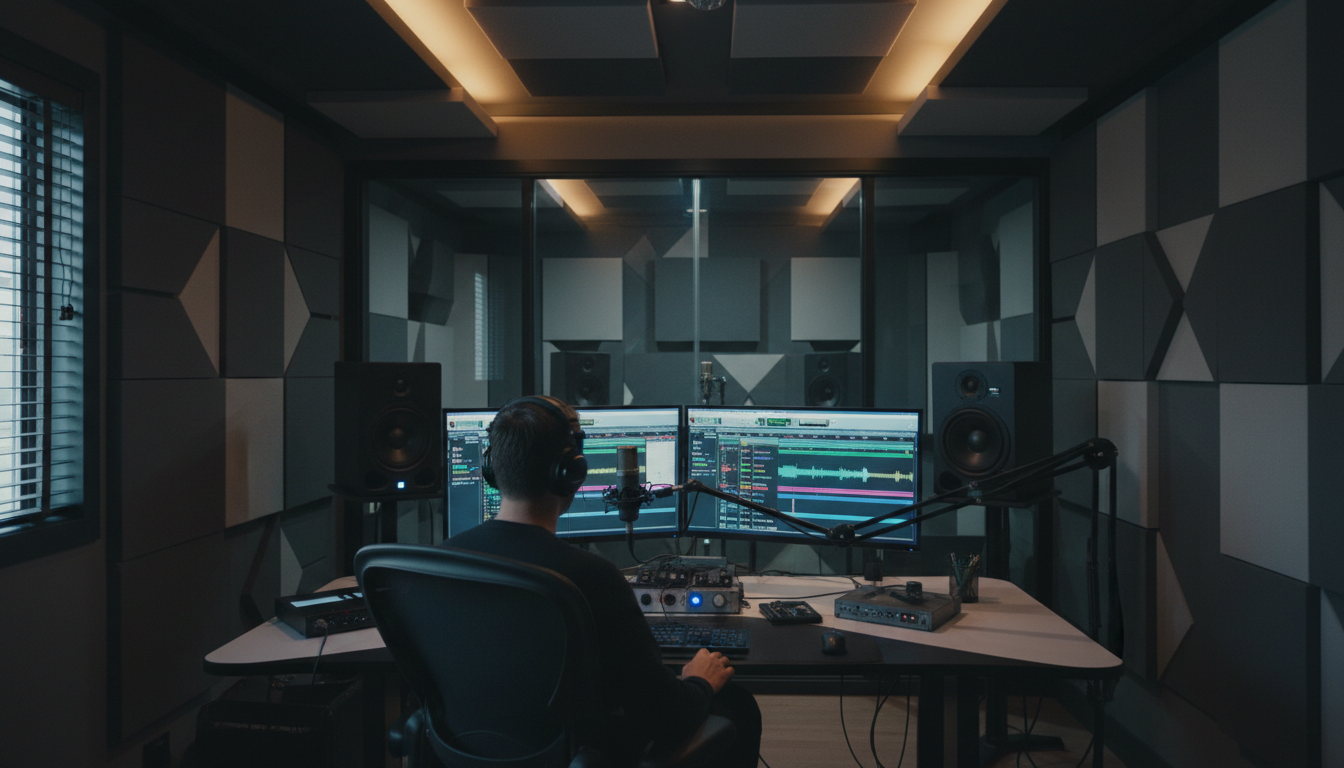
To mix a track effectively, follow these steps:
- Organize Your Session: Label your tracks and group similar instruments.
- Balance Levels: Start by setting the volume levels for each track to ensure clarity.
- Apply EQ and Compression: Use EQ to carve out space and compression to control dynamics.
- Add Effects: Use reverb and delay sparingly to enhance depth without muddying the mix.
- Final Listen and Adjustments: Play your mix on different speakers to ensure it translates well.
Tips for Success
As you develop your mixing skills, keep these tips in mind:
- Reference Tracks: Use professional mixes as a benchmark to guide your work.
- Take Breaks: Give your ears rest to avoid fatigue and maintain perspective.
- Experiment: Don't be afraid to try new techniques and effects.
Conclusion
Audio mixing is both an art and a science. With practice and patience, you'll improve your skills and develop your unique sound. Remember, the key to success is persistence and a willingness to learn. So, set up your home studio, fire up your DAW, and start mixing!