
DIY Audio Production: Essential Tools and Techniques
Introduction to DIY Audio Production
Diving into the world of DIY audio production can be both exciting and daunting. With the right tools and techniques, you can transform your home studio into a professional-grade production hub. Whether you're a budding musician or an aspiring podcaster, understanding the essentials is key to success.
Essential Tools for Your Home Studio
Audio Interface
A quality audio interface is the cornerstone of any home studio. It serves as the bridge between your instruments and your computer, converting analog signals to digital. Look for interfaces that offer low latency and multiple input options to accommodate various instruments and microphones.
Microphones
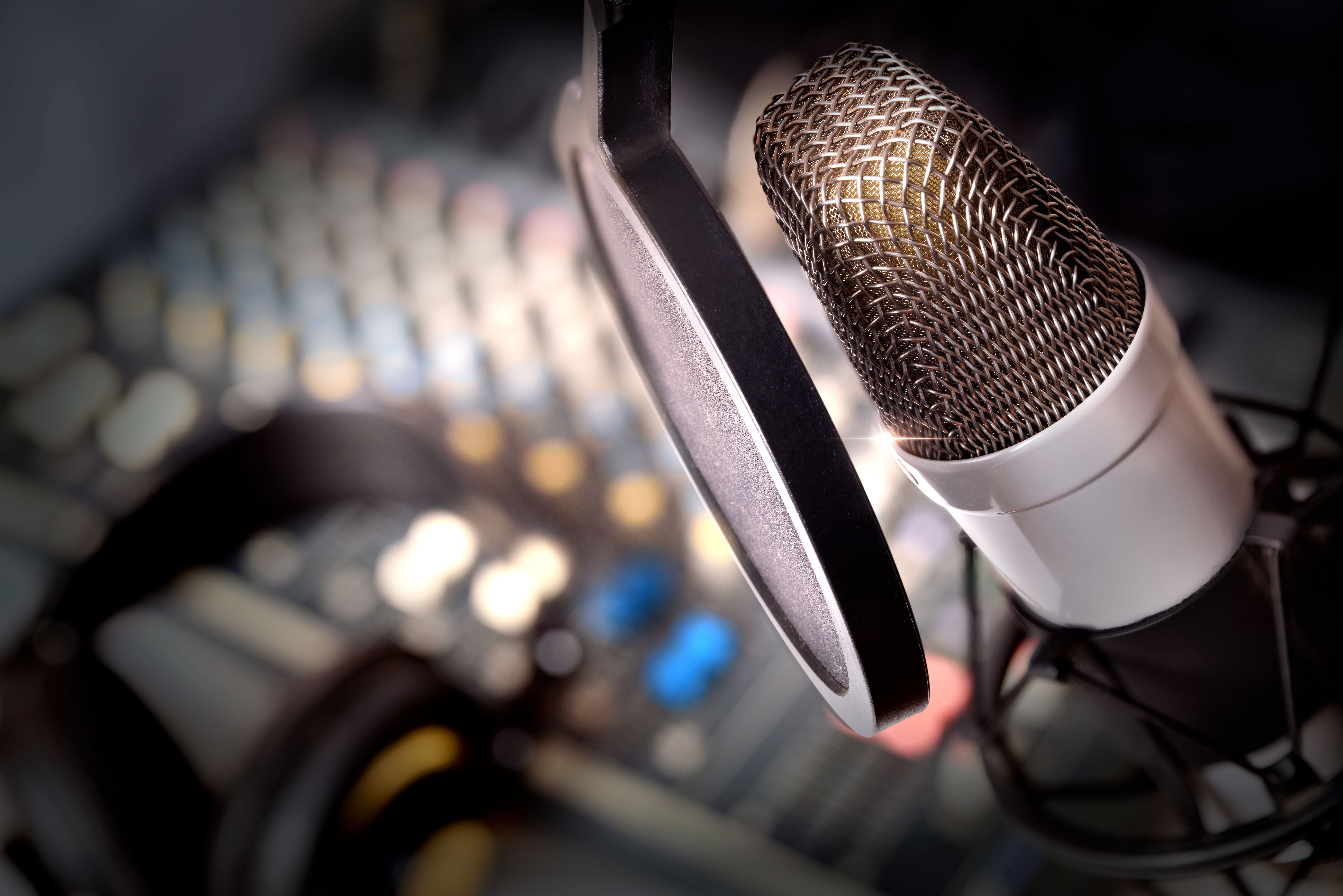
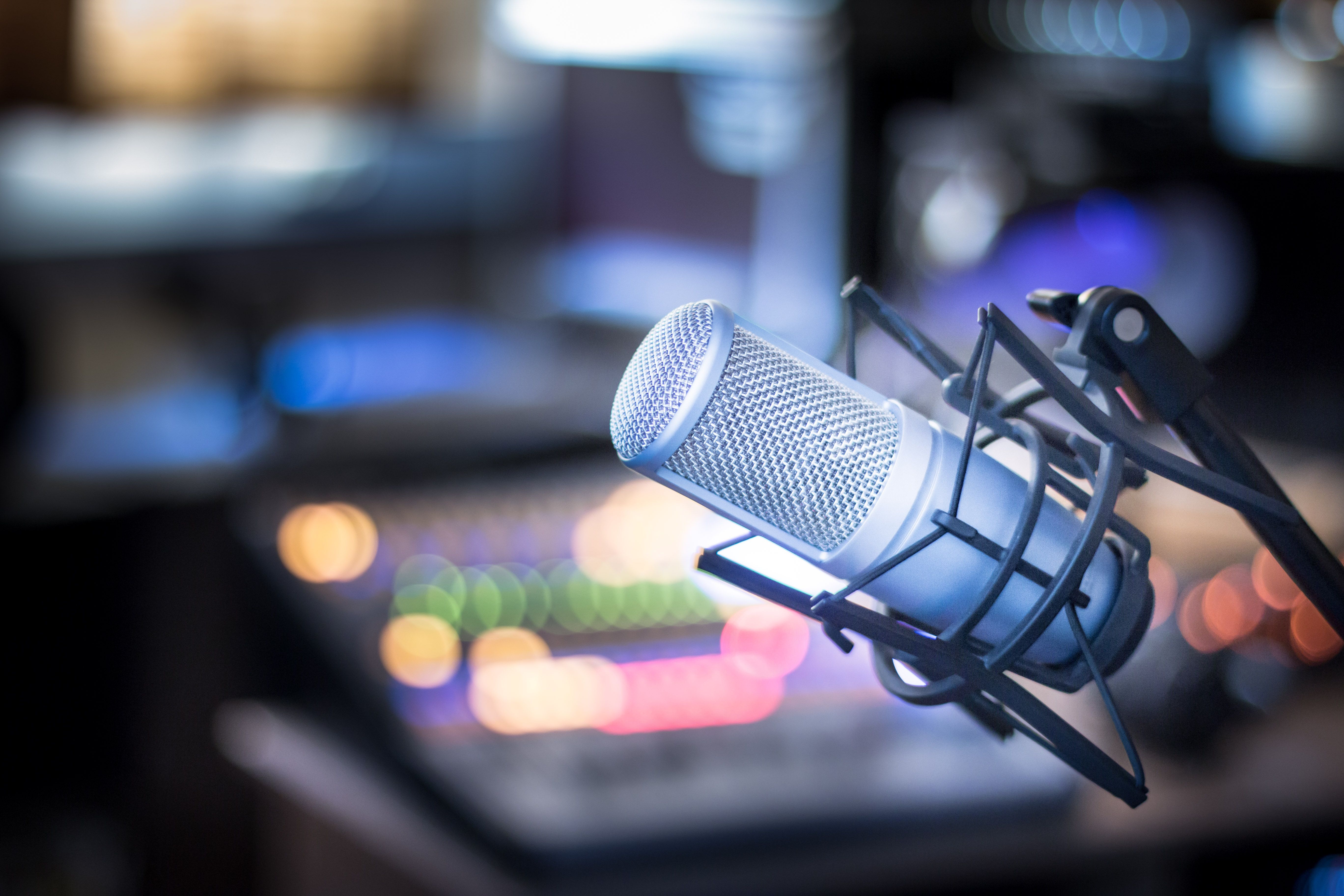
Investing in a good microphone can significantly impact the quality of your recordings. While dynamic microphones are suitable for live performances, condenser microphones are generally preferred for studio recordings due to their sensitivity and range.
Digital Audio Workstation (DAW)
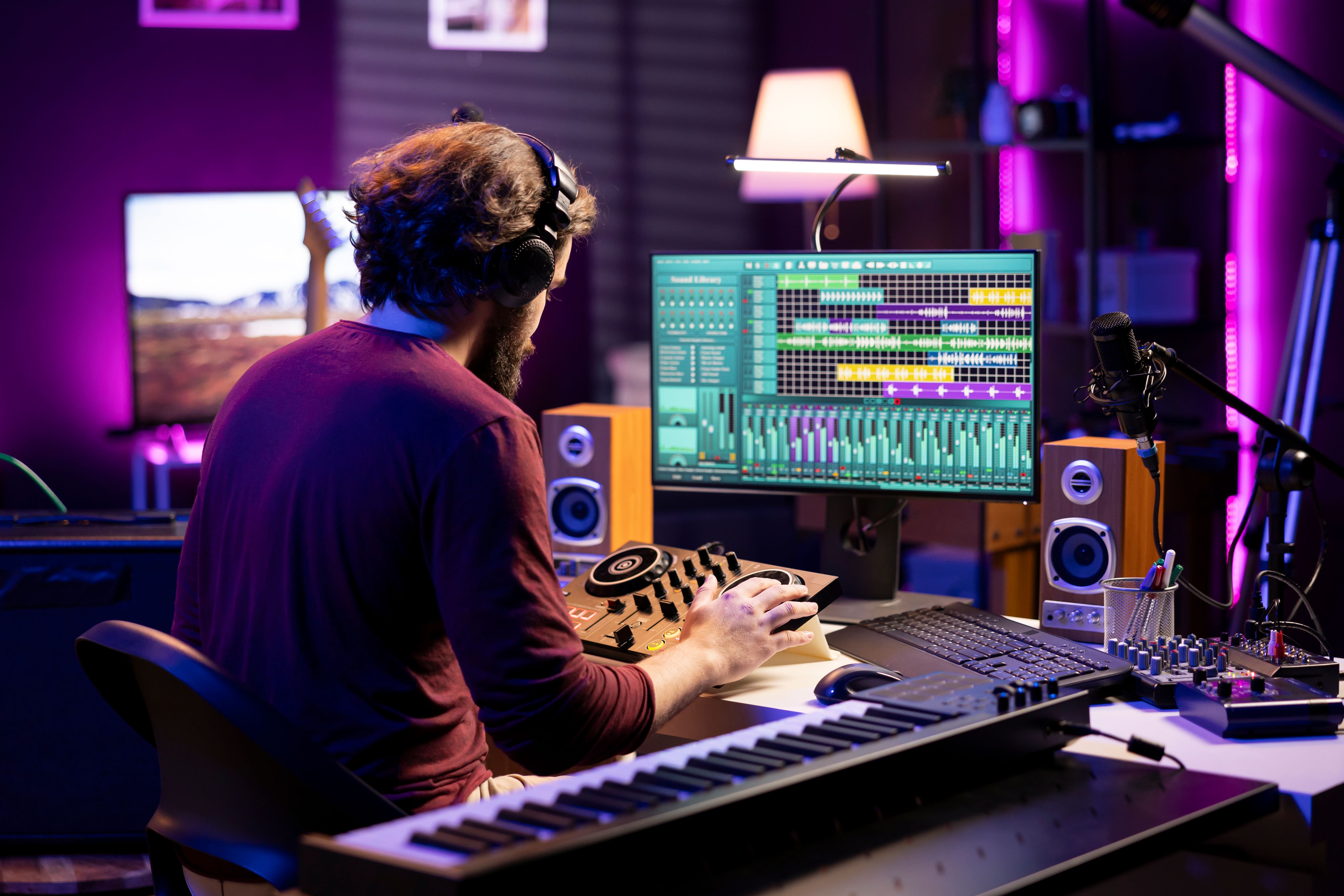
Your DAW is the software where all the magic happens. Popular choices include Ableton Live, Logic Pro X, and FL Studio. These platforms provide a wide range of tools for recording, editing, and mixing your tracks.
Mastering the Basics
Understanding Acoustics
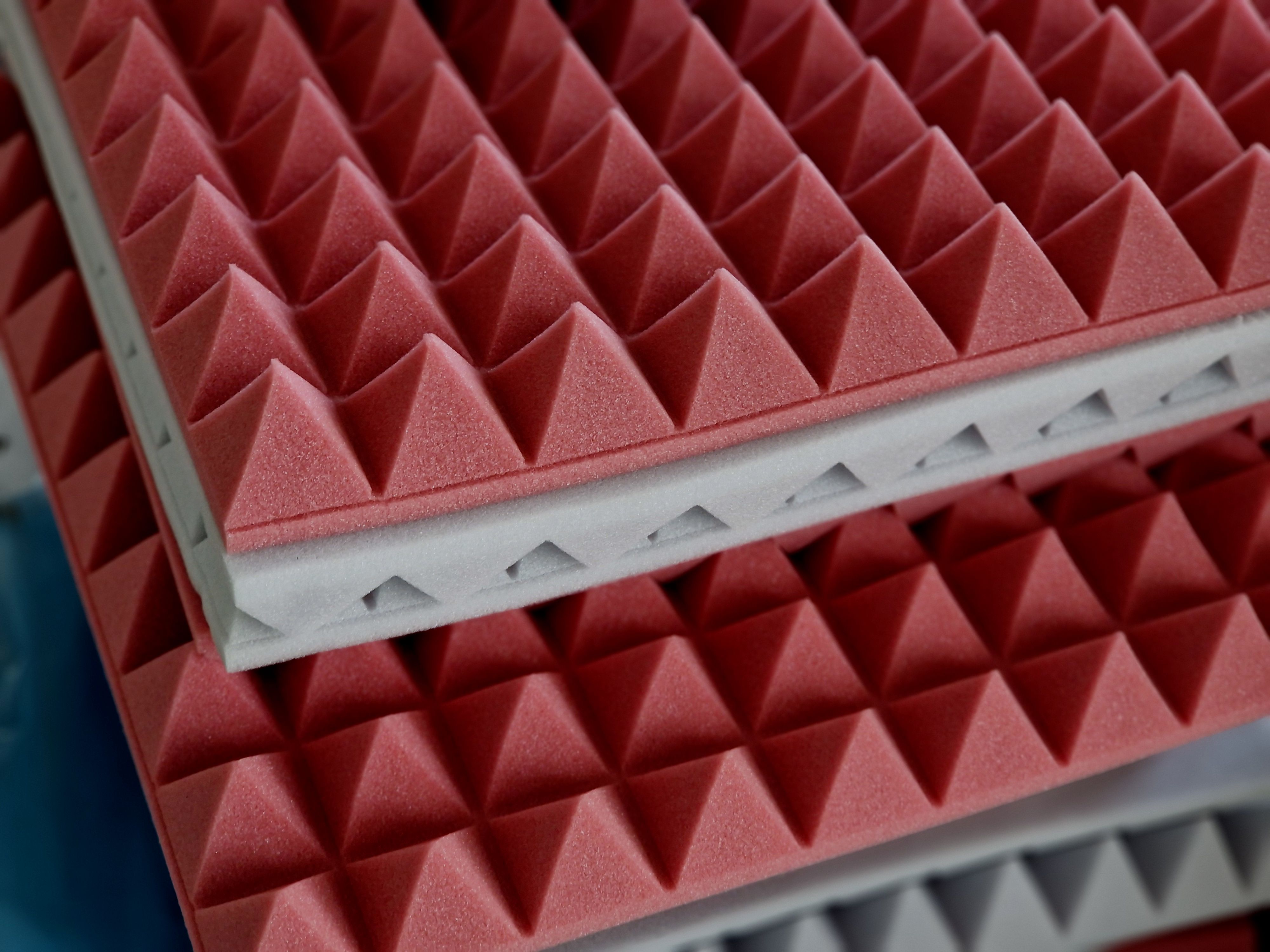
Acoustics play a critical role in audio production. Proper soundproofing and acoustic treatment can drastically improve recording quality. Consider using foam panels and bass traps to minimize unwanted echoes and reverberation.
Mixing Techniques
Mixing is both an art and a science. Start with balancing the levels of your tracks, then apply EQ to enhance specific frequencies. Use compression to control dynamics, and add reverb or delay for depth. Always remember to keep your mix clean and avoid overcrowding.
Advanced Techniques
Automation
Automation can add life to your tracks by dynamically adjusting parameters like volume, panning, and effects over time. This technique can create a more immersive listening experience and highlight specific elements within your mix.
Mastering
The final step in audio production is mastering. This process involves fine-tuning the final mix to ensure it sounds polished and cohesive across various playback systems. Consider investing in mastering software or hiring a professional mastering engineer for the best results.
Conclusion
Embarking on the journey of DIY audio production can be incredibly rewarding. By equipping yourself with the right tools and mastering essential techniques, you can create professional-quality recordings from the comfort of your home. As you continue to hone your skills, you'll discover new ways to innovate and express your unique sound.