DIY Audio Production Tips for Aspiring Musicians
Setting Up Your Home Studio
Creating music from the comfort of your home has never been easier. With the right setup, aspiring musicians can produce high-quality audio without breaking the bank. Start by selecting a quiet space in your home where you can focus and let your creativity flow. Consider investing in basic soundproofing materials, like foam panels, to reduce external noise and improve acoustics.
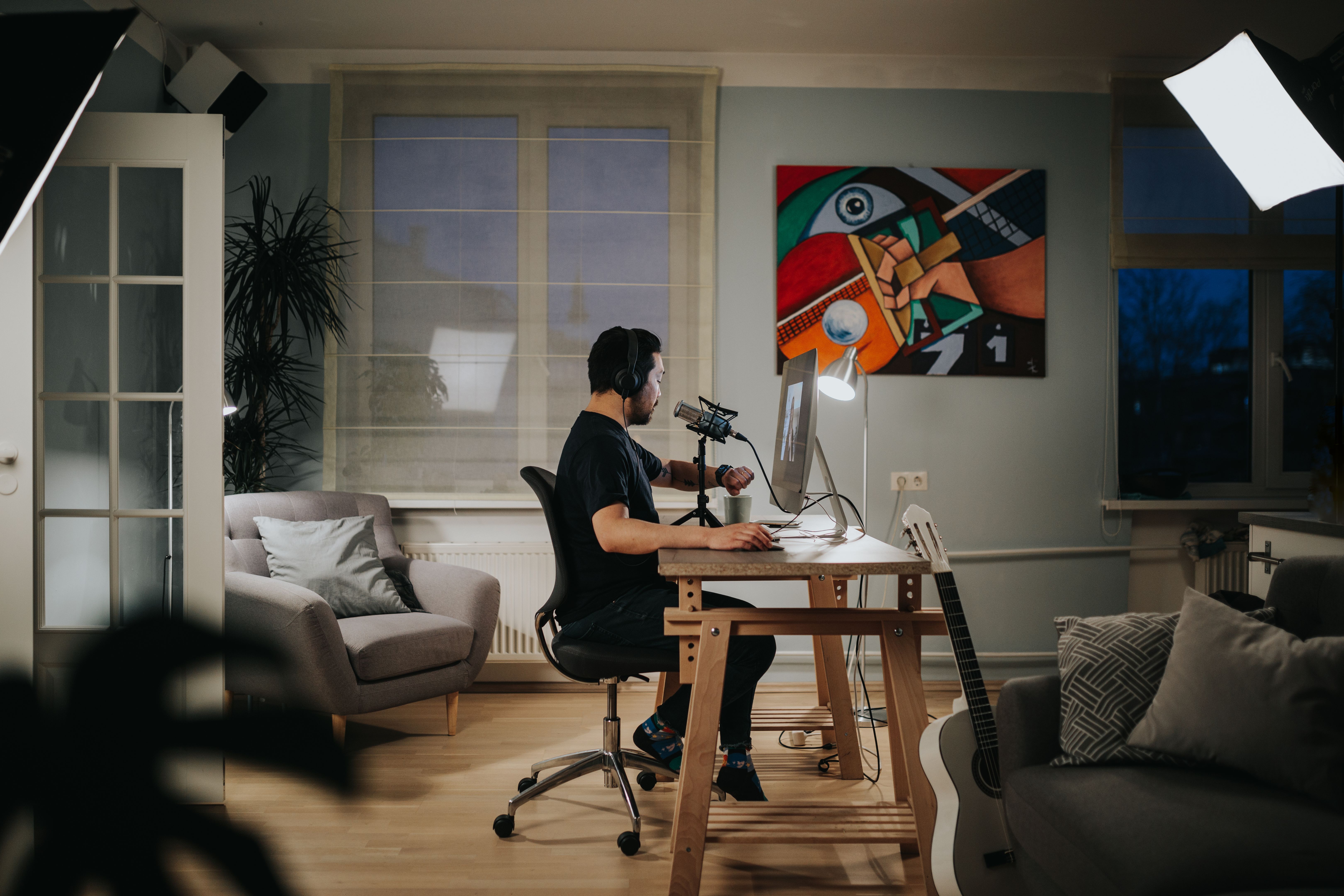
Next, gather your essential equipment. A good quality microphone, audio interface, and headphones are crucial for capturing and monitoring your sound. These tools, paired with a reliable computer and digital audio workstation (DAW) software, form the backbone of your home studio.
Choosing the Right Software
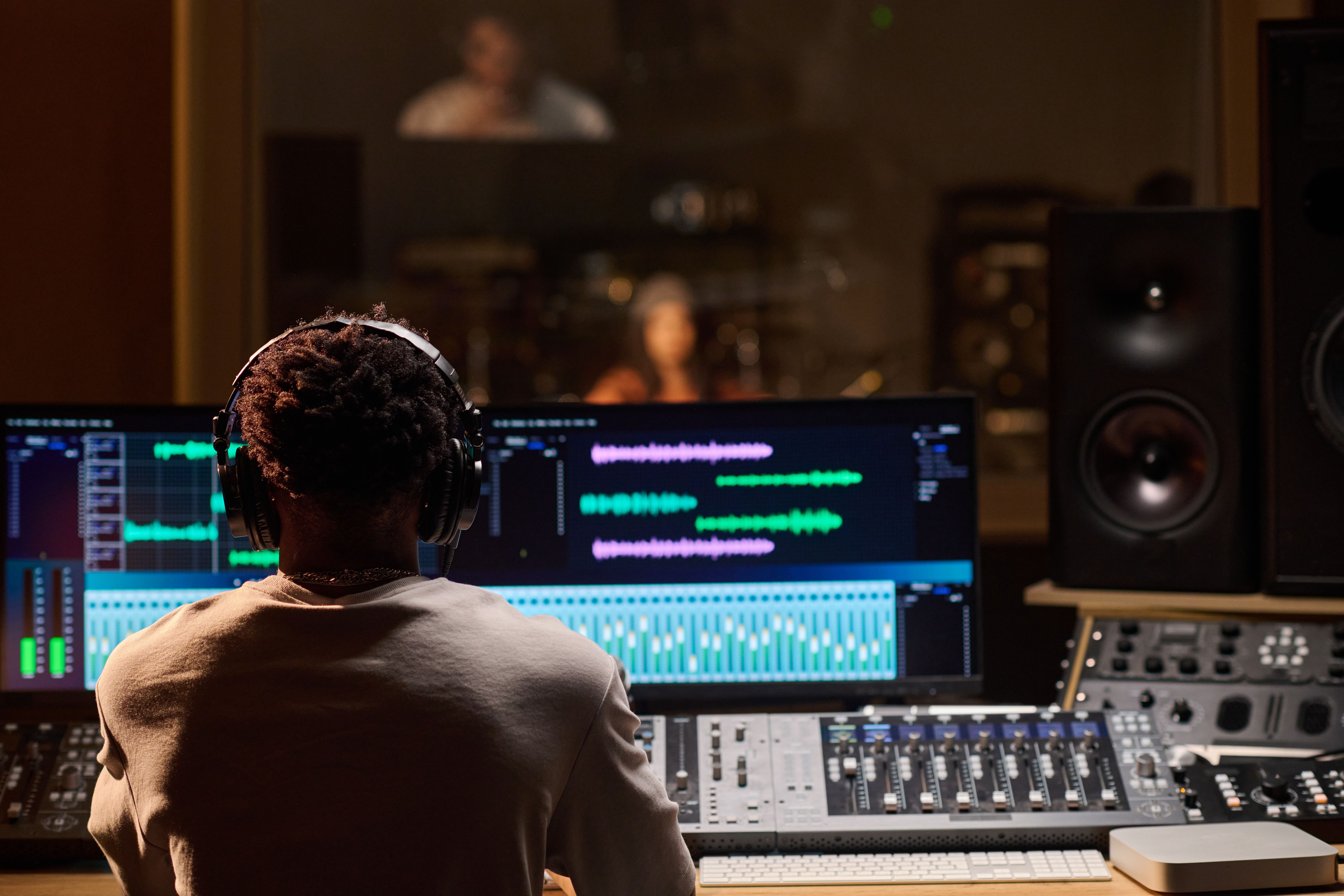
The DAW you choose will significantly impact your production process. Popular choices include Ableton Live, FL Studio, and Logic Pro X. Each offers unique features, so it's important to pick one that fits your style and workflow. Take advantage of free trials to test different options before committing to a purchase.
Once you've selected your DAW, spend time learning its features and capabilities. Online tutorials and forums can be invaluable resources for mastering the software and discovering new techniques.
Recording Techniques
Understanding basic recording techniques can elevate your music production. Start by experimenting with microphone placement to find the best sound for your instruments and vocals. Remember, the closer the mic, the more intimate the sound; however, it may also capture unwanted noise.
Consider using multiple takes to capture different elements of your track. Layering these takes can add depth and richness to your sound. Don't be afraid to try different effects and plugins to enhance your recordings.
Mixing and Mastering
The mixing process involves balancing and blending all elements of your track. Adjust levels, pan instruments, and apply equalization to ensure clarity and separation. Pay attention to the stereo field to create a sense of space and dimension.
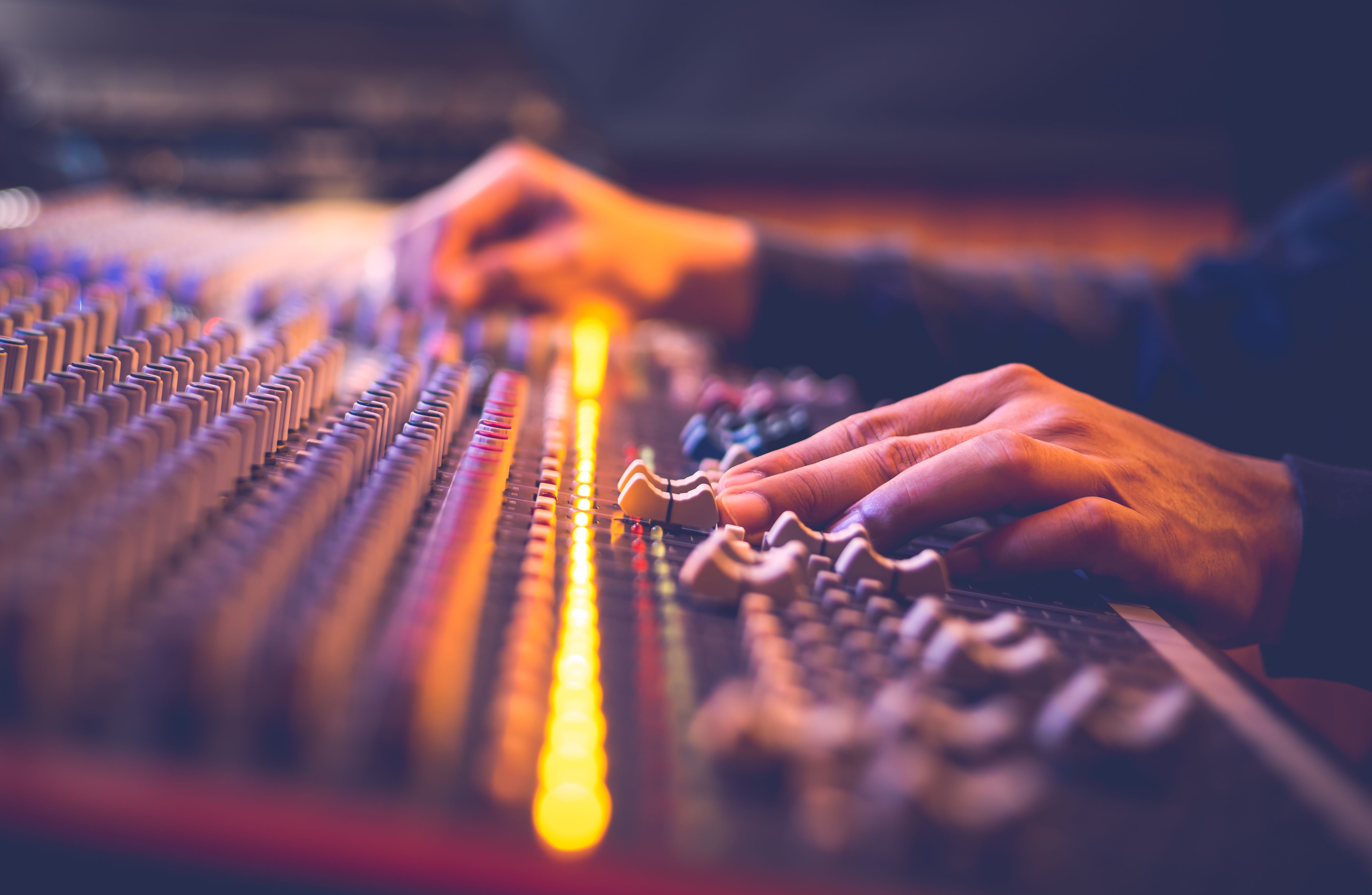
Mastering is the final step in audio production. It involves fine-tuning the overall sound to ensure consistency and polish. This step can be challenging but is essential for making your music sound professional. Consider using reference tracks to guide your mastering decisions.
Staying Inspired and Creative
Producing music can be a long and sometimes frustrating journey. To stay inspired, regularly listen to new music and explore different genres. Collaborating with other musicians can also spark creativity and lead to exciting new ideas.
Finally, remember to take breaks and give yourself time to recharge. Creativity thrives when you're rested and open to new possibilities. With dedication and practice, you'll continue to grow and refine your skills as an audio producer.