
Top Audio Production Techniques for Aspiring Producers
Understanding the Basics of Audio Production
For aspiring producers, mastering the basics of audio production is crucial. This foundation includes understanding sound waves, frequencies, and the digital audio workstation (DAW) environment. A strong grasp of these fundamentals will set the stage for more complex techniques.

Choosing the Right Equipment
Having the right equipment is essential for high-quality production. Invest in a reliable computer, a high-quality audio interface, and professional studio monitors. Additionally, a good pair of headphones and a quality microphone will help you capture clear and precise audio.
Remember, the most expensive gear isn't always necessary. Focus on acquiring equipment that suits your specific needs and style. This strategy ensures you have the tools to create without breaking the bank.
Mastering Recording Techniques
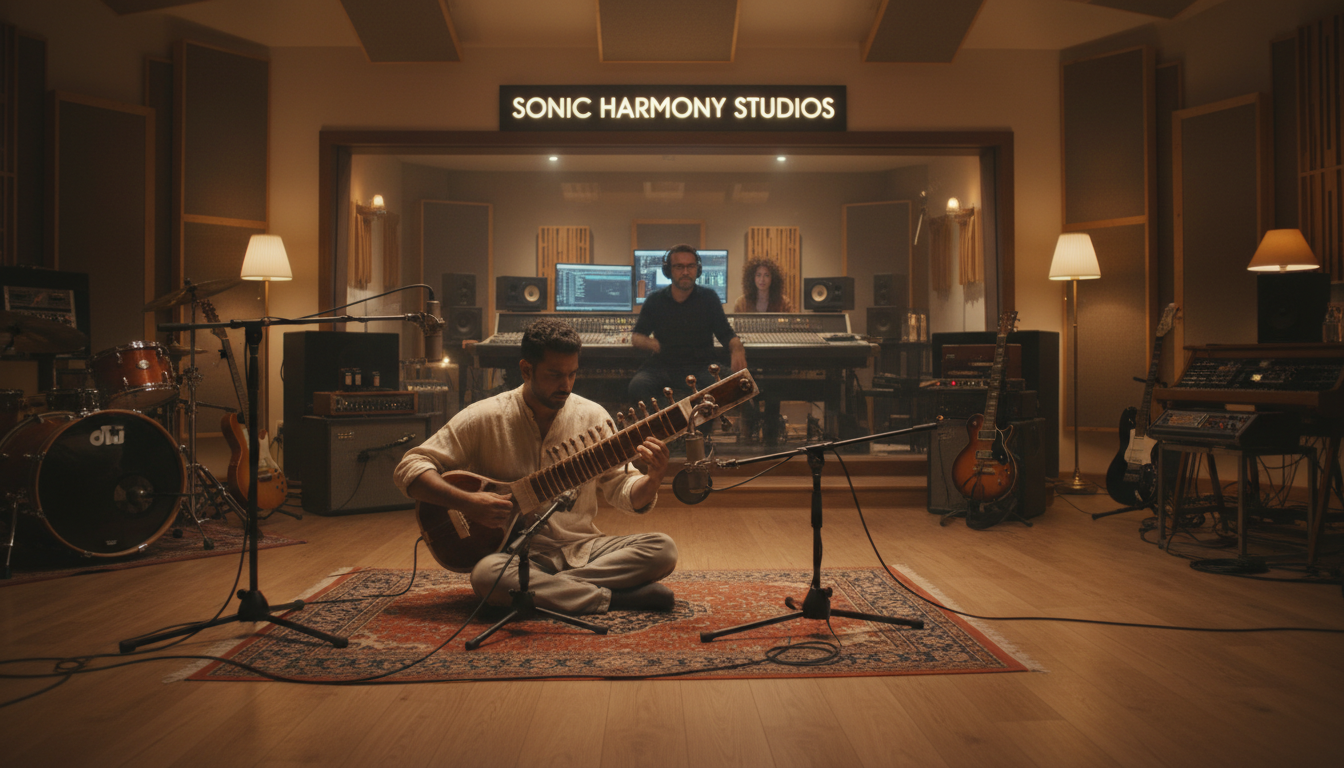
Recording is the first step in creating professional audio. Whether you're capturing vocals or instruments, ensure your recording environment is optimized. Use acoustic treatment to minimize unwanted noise and reflections. Proper microphone placement is also key to capturing the best sound.
Editing for Clarity
Once your audio is recorded, editing becomes the next priority. Use your DAW to clean up the tracks by removing unwanted noise and cutting unnecessary sections. Pay attention to timing and pitch, as these are crucial for a polished final product.
Editing is about enhancing the audio without over-processing. Strive for clarity and natural sound, ensuring that each element of your production stands out.
Mixing Like a Pro
Mixing is where your creativity truly shines. Balance the levels of each track, ensuring no element overpowers another. Use equalization (EQ) to carve out space for each instrument and effect. Compression can help control dynamics, allowing for a more consistent sound.

Using Effects Wisely
Effects such as reverb, delay, and chorus can add depth and texture to your production. However, it's important to use these effects sparingly. Overuse can lead to a muddy mix, detracting from the clarity you've worked to achieve.
Experiment with different effects to find what complements your style, but always prioritize the core elements of your track.
Mastering for Distribution
Mastering is the final step in audio production, preparing your track for distribution. This process involves enhancing the overall sound, ensuring it translates well across various playback systems. Use tools like EQ, compression, and limiting to achieve a polished and cohesive final product.
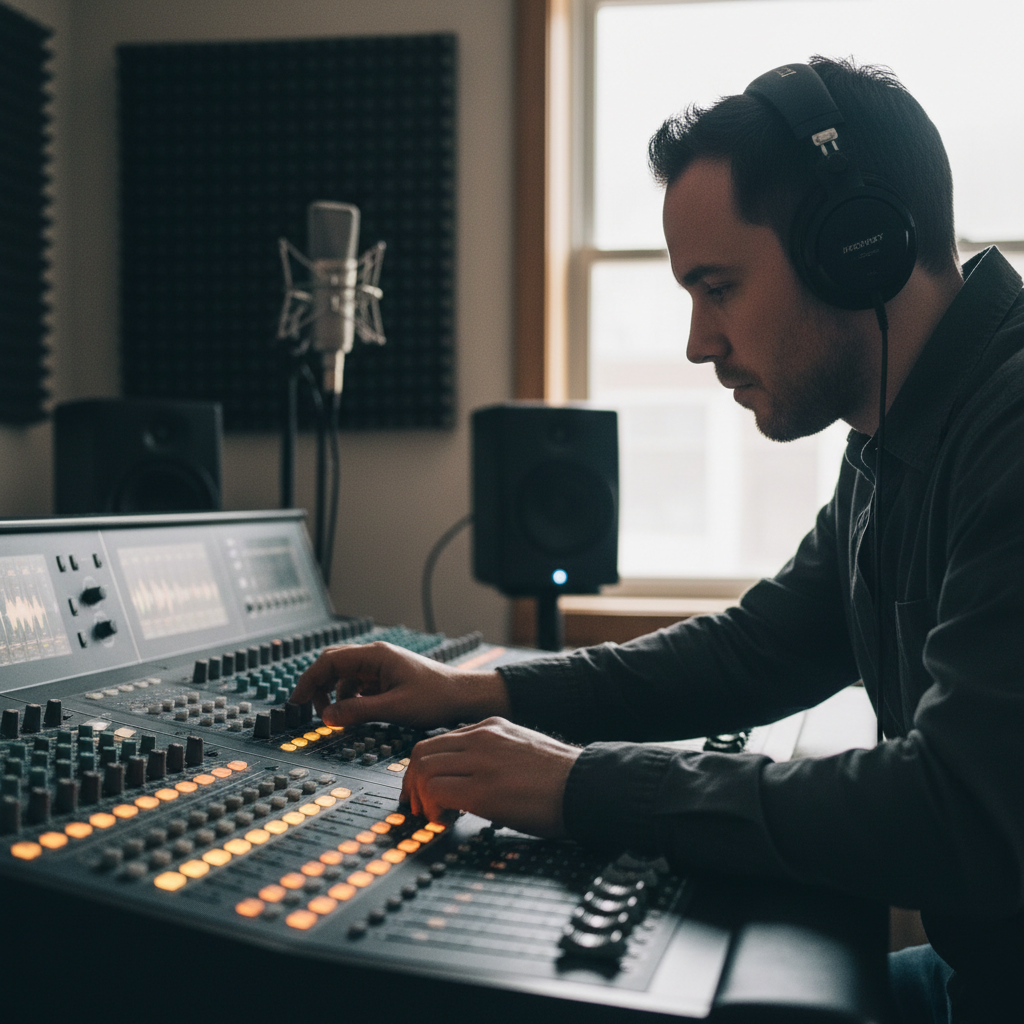
Mastering can be complex, so consider collaborating with a professional mastering engineer if you're unsure. Their expertise can make a significant difference in the quality of your final release.
Continuous Learning and Experimentation
Audio production is an ever-evolving field. Stay updated with the latest techniques and trends by engaging with online communities, attending workshops, and studying the work of established producers. Continuous learning and experimentation will help you refine your skills and develop your unique sound.
Remember, the best producers are those who never stop learning. Embrace the journey, and enjoy the creative process!